

Written by: Samantha Thompson – 6 minute read
Photodynamic Therapy for Skin Cancer and Precancerous Conditions
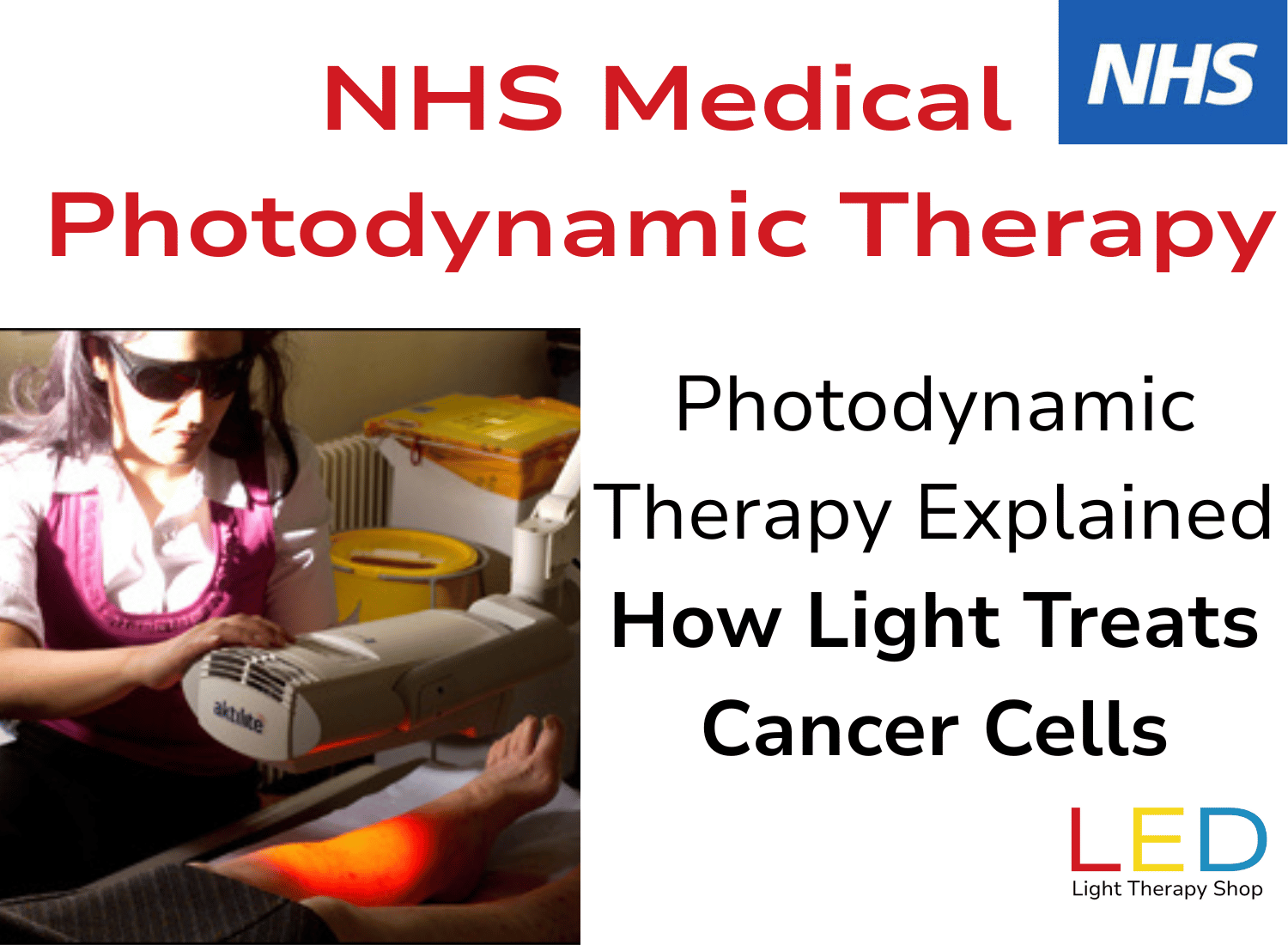
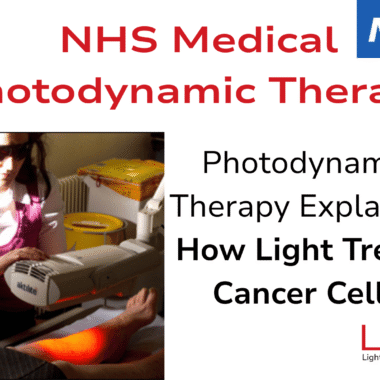
Photodynamic therapy for skin cancer is a clinically recognised treatment that uses light‑activated medicine to destroy abnormal cells. Photodynamic Therapy (PDT) is a clinically recognised light‑based treatment that uses a special photosensitive medicine and a targeted light source to destroy abnormal or precancerous cells.
According to the NHS, PDT can effectively treat certain skin, eye, and internal conditions, as well as some early‑stage cancers, without the need for invasive surgery.
How Photodynamic Therapy Works
PDT combines two harmless components:
- A light‑sensitive medicine
- A specific light source
The combination of medicine and light therapy creates a powerful, targeted reaction. When light activates the medication, it produces a local chemical reaction that destroys abnormal or unhealthy cells while leaving surrounding tissue largely unharmed.
Because of this precision, PDT allows clinicians to treat small patches of abnormal tissue with minimal scarring and faster recovery compared to surgical removal.
Common Uses of Photodynamic Therapy for Skin and Early Cancers
NHS guidance highlights photodynamic therapy for skin cancer and sun‑damaged precancerous lesions as an important non‑surgical treatment option. The NHS lists several conditions where photodynamic therapy is used, including:
- Actinic keratoses: precancerous, sun‑damaged rough skin patches.
- Bowen’s disease: an early form of non‑melanoma skin cancer.
- Basal cell carcinoma: a common, slow‑growing skin cancer.
- Barrett’s oesophagus: abnormal cell changes in the oesophagus lining.
- Certain lung and oesophageal cancers: to remove or shrink localised tumours or reduce symptoms.
Research is also exploring PDT’s potential for warts, acne, and extramammary Paget’s disease, highlighting its expanding use in both dermatology and oncology.
Treatment Process of Photodynamic Therapy
There are two main types of PDT:
- Conventional PDT – usually involves a two‑step process.
- A cream, injection, or drinkable solution delivers the photosensitising medicine to affected cells.
- After several hours or days, the area is exposed to a controlled light source (often an LED or laser) for 10–45 minutes to activate the treatment.
- For internal conditions (such as in the lungs or oesophagus), doctors use an endoscope with a light tip to reach internal tissues.
2. Daylight PDT – mainly used for mild skin conditions.
- The photosensitive cream is applied to the skin.
- The person then spends around 2 hours outdoors in daylight while protected by sunscreen (SPF 50 or higher) to naturally activate the medicine.
Photodynamic Healing and Aftercare
Healing from PDT takes around 2-6 weeks, depending on the area treated. During this time, the skin may feel warm or tender, and a protective dressing is usually applied.
After daylight PDT, the cream is wiped off, and the treated area is covered or shielded from further light exposure for the rest of the day.
If the medicine is taken internally, patients may experience light sensitivity for several weeks, so public health guidance recommends avoiding bright lights and direct sunlight.
Safety and Side Effects of Photodynamic Therapy (PDT)
NHS guidance confirms PDT as a safe and effective treatment when used for approved conditions. Temporary side effects may include:
- A mild burning or stinging during light exposure.
- Redness, swelling, or itching of treated skin.
- Sensitivity to light for up to 6 weeks (when medicine is ingested or injected).
Very occasionally, the skin may lighten or darken, or hair may thin in the treated area, but most reactions subside as healing progresses.
Conclusion of PDT
Photodynamic Therapy represents an advanced medical application of light, combining science and precision to treat abnormal cells painlessly and effectively.
To learn more or read the full NHS explanation, visit the official page:
👉 NHS Photodynamic Therapy Guide
Photodynamic Therapy FAQ's
1. What is photodynamic therapy (PDT)?
A treatment that activates light‑sensitive medicine with light to destroy abnormal cells.
2. What conditions can PDT treat?
Skin cancers, sun‑damaged skin, Barrett’s oesophagus, and some lung or oesophageal cancers.
3. How long does each session take?
Typically 10–45 minutes, plus preparation time for the medicine to take effect.
4. Is PDT painful?
Some patients feel temporary warmth, tingling, or stinging during activation, but discomfort usually passes quickly.
5. How long does skin take to recover?
Most people heal fully within 2–6 weeks, depending on the treated area.
Free LED Light Therapy Tools
Not sure which LED Light Therapy device or treatment settings are right for you? Get precise treatment recommendations with LED light Therapy Shops interactive calculators and expert guides.
FREE access to LED Light Therapy Shops expert tools to calculate treatment dose, energy, and time, or contact our customer service team.
Treatment Dose Calculator
Enter your Light Therapy device’s irradiance and recommended session time to find your total treatment/dose energy.
Find Your Ideal Treatment Energy
Unsure how much light therapy is needed for pain, skin, or cognition?
Read our expert photobiomodulation (PBM) guide to learn which treatment energy/Dose supports different conditions
Treatment Time Calculator
Enter your Light Therapy device’s irradiance and desired dose (fluence) to calculate your ideal treatment time.
Your Light Therapy Journey Starts Here
Discover our full range of certified LED light therapy devices — designed to help you recover faster, boost wellness, and support your goals safely and effectively.
Whether you’re new to light therapy or upgrading your current setup, we’ll help you find the perfect solution for your needs.
Join the Movement
Embrace the Power of LED Light Therapy
Join our LED Light Therapy and wellness community.
Enjoy exclusive offers, updates, and insights — improving your health naturally. (No spam! 1–3 emails per quarter.)
Trending LED Light Therapy Favourites
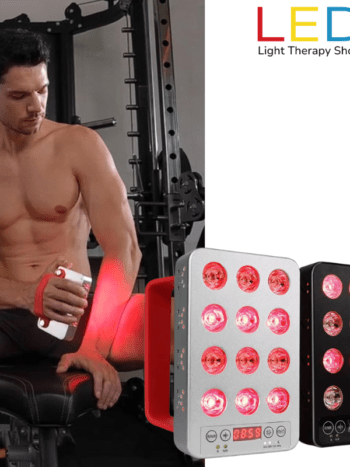
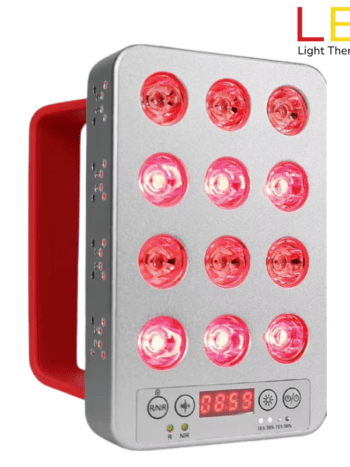
LED Light Therapy Shop’s most trusted LED devices chosen by clinics, home users, and professionals — clinically reliable, user-friendly, and trusted to support health, recovery, and wellbeing.






Certified Safe,
Clinically Backed.
Our devices meet international standards for safety, quality, and performance.











Understand the certifications and safety standards that ensure LED light therapy devices are both effective and compliant.
Whether you’re comparing devices or checking your own, LED Light Therapy Shop’s Product Certification page outlines the most recognised global marks — so you know what to look for before you buy, or use any product: LED Light Therapy Product Certification Page
Written and reviewed by LED Light Therapy Shop December 2025 – Specialists in FDA-cleared blue, red, and near-infrared LED light therapy devices.
LATEST WISDOM
The Freshest and Most Exciting News
Free access to research, guides, and wavelength-specific advice on how LED Light Therapy supports natural healing, reduces inflammation, improves cognitive performance, aids pain relief, and tackles stubborn skin conditions.









%20|%20Rechargeable%20Battery&url=https://ledlighttherapyshop.com/product/spectrometer-test-blue-red-near-infrared-led-light-therapy-380-780nm-rechargeable-battery/&media=https://ledlighttherapyshop.com/wp-content/uploads/2025/09/Portable-Spectrometer-LED-Light-Therapy-380-780nm-4-595x595.png)


&url=https://ledlighttherapyshop.com/product/led-face-neck-mask-red-630-blue-460-yellow-590-nir-850/&media=https://ledlighttherapyshop.com/wp-content/uploads/2025/07/LED-Face-Neck-decolletage-510k-Mask-Red-630nm-Blue-460nm-Yellow-590nm-NIR-2-595x595.png)


%20|%20Red%20630nm,%20660nm,%20and%20Near%20Infrared%20850nm&url=https://ledlighttherapyshop.com/product/animal-red-light-therapy-torch-dogs-cats-horses/&media=https://ledlighttherapyshop.com/wp-content/uploads/2025/11/rechargeable-red-light-therapy-torch-4-595x595.png)


