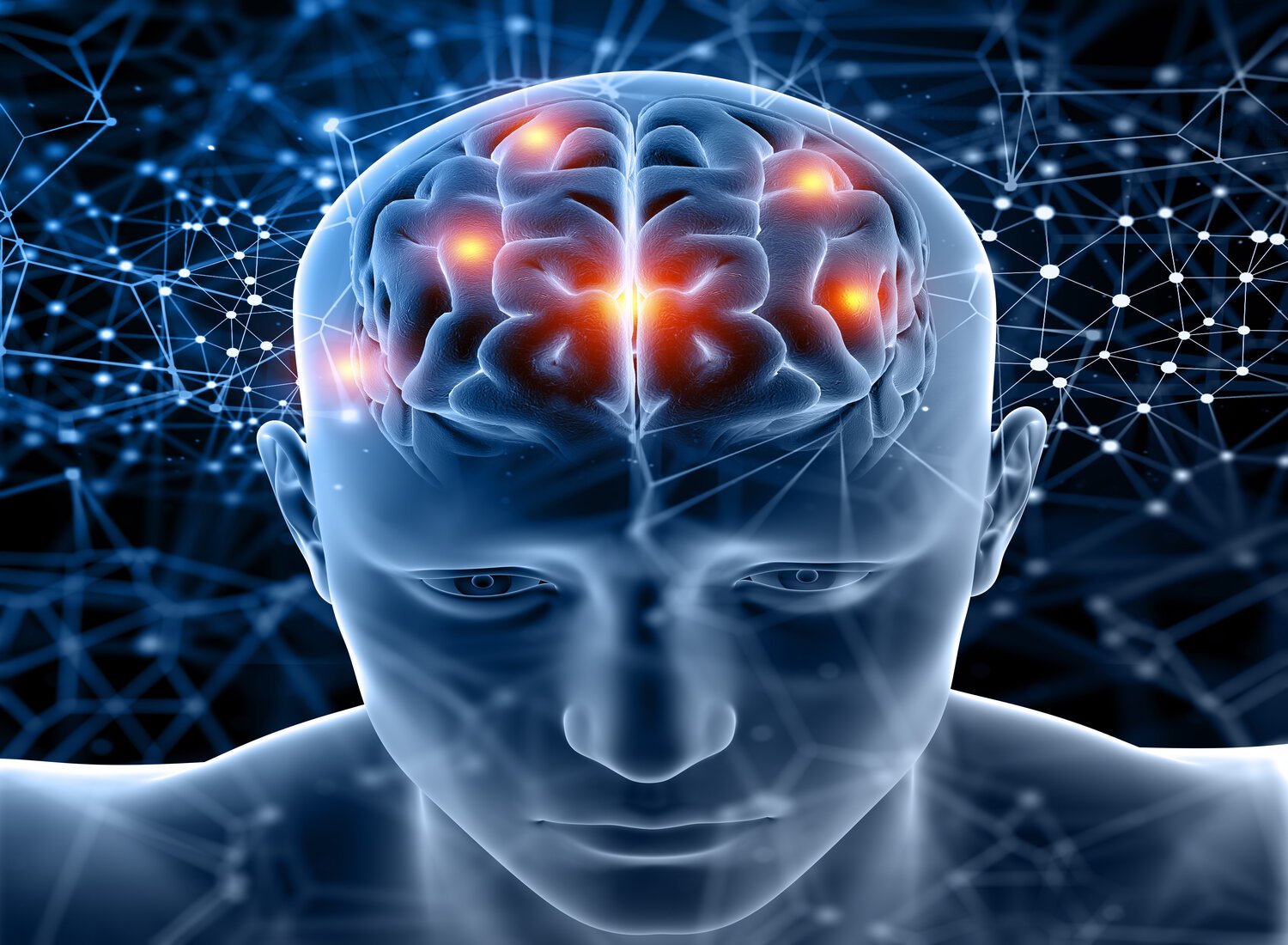
Epilepsy, a neurological disorder characterized by recurrent seizures, affects millions of people worldwide. While conventional treatments like medication and surgery can be effective for some, a significant proportion of individuals with epilepsy remain resistant to these options. This has spurred ongoing research into alternative and complementary therapies, with red light therapy (RLT), also known as photobiomodulation (PBM), emerging as a promising avenue.
Recent Research Findings
In recent years, several studies have investigated the potential of red light therapy in managing epilepsy. While the field is still in its early stages, the findings thus far are encouraging:
- Reduced Seizure Frequency: Preclinical studies in animal models of epilepsy have demonstrated that RLT can significantly reduce the frequency and severity of seizures. For instance, a 2022 study published in Frontiers in Neurology found that transcranial PBM with near-infrared light reduced seizure-like activity and improved neuronal survival in rats.
- Neuroprotection: RLT appears to have neuroprotective effects, potentially shielding brain cells from damage associated with seizures. Research suggests that RLT may enhance mitochondrial function, reduce oxidative stress, and promote neuronal repair, all of which could contribute to neuroprotection.
- Improved Quality of Life: Emerging evidence suggests that RLT may improve the quality of life for individuals with epilepsy by reducing anxiety, depression, and sleep disturbances, common comorbidities associated with the condition.
Potential Mechanisms of Action
The exact mechanisms by which red light therapy may exert its effects on epilepsy are still under investigation. However, several potential pathways have been proposed:
- Mitochondrial Enhancement: Mitochondria, the powerhouses of cells, play a crucial role in neuronal function. RLT is thought to enhance mitochondrial activity, improving energy production and reducing oxidative stress, which are often impaired in epilepsy.
- Anti-Inflammatory Effects: Epilepsy is associated with neuroinflammation, which can contribute to seizure activity. RLT has been shown to have anti-inflammatory properties, potentially reducing neuroinflammation and mitigating seizure triggers.
- Neurotransmitter Modulation: RLT may influence the balance of neurotransmitters in the brain, such as GABA and glutamate, which play a crucial role in regulating neuronal excitability.
- Neuroplasticity: Research suggests that RLT may promote neuroplasticity, the brain’s ability to reorganize and form new connections. This could enhance the brain’s resilience to seizures and improve overall function.
Future Directions
While the preliminary findings are promising, more research is needed to fully understand the potential of red light therapy for epilepsy. Ongoing and future studies will likely focus on:
- Clinical Trials: Large-scale, well-designed clinical trials are crucial to confirm the efficacy and safety of RLT in humans with epilepsy.
- Optimal Treatment Parameters: Researchers need to determine the optimal wavelengths, dosages, and duration of RLT treatment for different types of epilepsy and individual patient characteristics.
- Combination Therapies: Exploring the potential of RLT in combination with conventional treatments, such as medication, could offer a more comprehensive approach to epilepsy management.
Considerations and Cautions
While red light therapy is generally considered safe, there are a few considerations to keep in mind:
- Photosensitivity: Individuals with photosensitivity or certain medications that increase light sensitivity should consult with a healthcare professional before using RLT.
- Seizure Triggers: In some cases, certain types of light can trigger seizures. It’s essential to work with a healthcare provider to determine the appropriate RLT protocol and monitor for any adverse reactions.
Conclusion
Red light therapy holds promise as a potential adjunctive therapy for epilepsy, offering a non-invasive and potentially safe approach to managing seizures and improving quality of life. While further research is needed to solidify its role in epilepsy treatment, the current evidence suggests that RLT could be a valuable tool in the fight against this debilitating condition.
External Research Links:
- National Institutes of Health (NIH): Photobiomodulation Therapy
- Frontiers in Neurology: Mitochondrial Photobiomodulation as a Neurotherapeutic Strategy for Epilepsy
- Epilepsy Society: Light therapy for people with epilepsy