
Written by: Samantha Thompson 10-Minute Read
Table of Contents: Red Light Therapy, Near‑Infrared and Titanium Implants: Is It Safe?
Medical disclaimer
This article is for general educational purposes only and does not constitute medical advice, diagnosis, or treatment. Red and near‑infrared light therapy should always be discussed with your own doctor, surgeon, or healthcare team, especially if you have metal implants, recent surgery, or complex medical conditions.
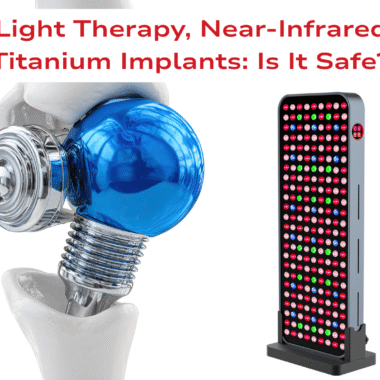
Red light therapy and near‑infrared (NIR) therapy are increasingly used for pain, inflammation, and recovery, but many people with titanium plates or metal implants are understandably cautious. This article reviews the current evidence and answers common questions about using red and near‑infrared light therapy when you have titanium implants or other metal hardware in the body.
What Is Red Light Therapy and Near‑Infrared Therapy?
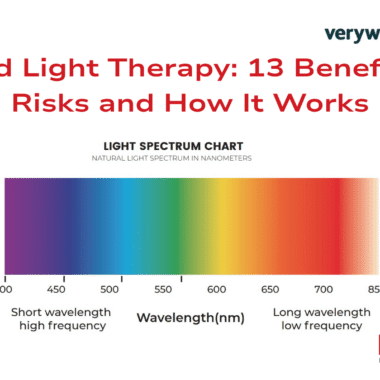
Red light therapy (typically 620-670nm) and near‑infrared light therapy (often 800-900nm+) sit in the “therapeutic window” where light can penetrate tissue and support cellular energy, circulation, and repair. These non‑ionizing wavelengths are used in:
- LED panels and blankets
- Low‑level lasers and professional PBM (photobiomodulation) devices
- At‑home red light therapy systems for skin, joints, and general wellness
Unlike X‑rays or high‑energy radiation, red and near‑infrared light in these ranges do not ionize tissue. They act more like a gentle signal for mitochondria and circulation rather than a destructive force.
Can You Use Red and Near‑Infrared Light Around Titanium Implants?
What the research shows
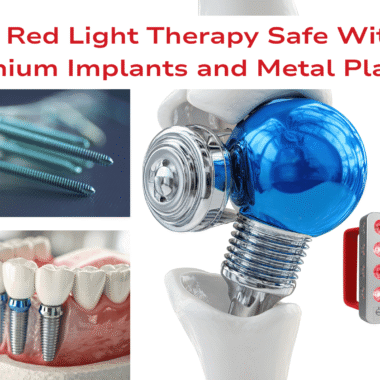
Multiple animal and dental‑implant studies have used red light around 660nm and near‑infrared light in the 800-900nm+ range directly over titanium implants. Across these studies, researchers consistently report:
- Improved bone healing and implant stability
- No implant‑related adverse events at the doses used
- No evidence of dangerous overheating at the titanium-bone interface
Examples include:
- Rat femur models where 660nm and 808nm photobiomodulation were applied around titanium dental implants. Treated groups showed faster, better‑organized bone repair without damage to the implant or surrounding bone. Laser‑photobiomodulation on titanium implant bone healing in rat model: comparison between 660 and 808nm
- LED photobiomodulation studies on dental implants showing improved osseointegration (more bone contacting the titanium implant) compared with control groups. Effect of LED photobiomodulation on dental implant osseointegration
- Systematic reviews and meta‑analyses of 15 PBM protocols (lasers and LEDs, 618-1064nm) used on titanium dental implants, concluding that photobiomodulation in these ranges was considered safe in those protocols and often enhanced implant stability. Improving Titanium Implant Stability with Photobiomodulation: A Review and Meta‑Analysis of Irradiation Parameters
In simple terms: within typical therapeutic doses, red and near‑infrared light therapy has been used around titanium implants without documented implant damage in the published data. In many cases, outcomes for bone and tissue healing were actually better with PBM than without it.
Titanium Plates vs Screws: Does It Matter?
Most of the published PBM research involves:
- Dental implants (titanium screws/fixtures in the jaw)
- Orthopedic implants in long bones (titanium rods, screws, smaller plates)
Large titanium plates in the skull or limbs are less studied specifically in PBM trials, but from a physics perspective the key issues are similar:
- Titanium does not strongly absorb red or near‑infrared light in the 600–1000 nm band.
- Because of this, titanium is unlikely to heat significantly under normal low‑level light therapy doses.
- The light is mainly interacting with surrounding tissue and bone, not “charging up” the metal.
However, different anatomical sites (face vs spine vs limbs) and different surgeries do have different risk profiles. That is why clearance from the treating surgeon or specialist is so important before using red or near‑infrared light over any implant site.
Practical Guidance: Red Light Therapy and Titanium Implants
For people with titanium plates, screws, or rods, the most conservative and evidence‑aligned approach is:
- Always get medical clearance before using red or near‑infrared light over an implant site, especially if surgery is recent.
- Use devices within manufacturer‑recommended time and distance guidelines and avoid experimental “mega‑doses”.
- Monitor comfort: if any unusual deep heat, pain, or symptoms appear at or around the implant site, stop and consult your medical team.
- Prefer LED‑based PBM devices for home use, as these are designed for gentle, non‑thermal exposure rather than surgical tissue cutting.
Documenting personal response can be helpful. For example, some people track:
- Photos of scars and surrounding skin every few weeks
- Pain scores (1–10)
- Swelling measurements or limb circumference
- Mobility, strength, or weight‑bearing over time
These simple records can help you and your healthcare team see whether red light therapy or near‑infrared sessions are making a meaningful difference.
FAQ: Titanium Implants, Metal Hardware and Red Light Therapy
Can you use near‑infrared with metal implants?
Near‑infrared light therapy (for example around 850nm) has been used around titanium implants in research and clinical dental/orthopedic settings without documented implant damage at standard PBM doses. The light is primarily affecting the surrounding bone and soft tissue, not the metal itself. Improving Titanium Implant Stability with Photobiomodulation: A Review and Meta‑Analysis of Irradiation Parameters
That said, “metal implants” covers a wide range (titanium, stainless steel, various alloys; small screws vs large plates). Because of this variety, the safest approach is to ask your surgeon or specialist whether near‑infrared is appropriate over your specific implant and at your current stage of healing.
Can you use red light therapy with titanium implants?
Yes, low‑level red light therapy has been used in multiple studies around titanium dental and orthopedic implants, and within those controlled protocols it has been considered safe and often beneficial for implant stability and bone healing. Improving Titanium Implant Stability with Photobiomodulation: A Review and Meta‑Analysis of Irradiation Parameters
However, these protocols are designed and monitored by clinicians. For at‑home use, always:
- Confirm with your surgeon or specialist
- Use sensible, moderate exposure times
- Watch for any unusual sensations at the implant site
Why don’t some doctors recommend red light therapy?
There are several reasons some doctors may not routinely recommend red light therapy or near‑infrared therapy yet:
- Photobiomodulation is still relatively new in many specialties, and not all clinicians are trained in it.
- The research base, while growing, includes many small studies and variable protocols, making it harder to translate into standardised guidelines.
- Some doctors prefer to recommend only interventions that are fully embedded in major clinical guidelines or covered by local health systems/insurers.
A lack of recommendation does not automatically mean red light therapy is unsafe; it often reflects familiarity, training, or local practice norms. Bringing high‑quality references and device details to a consultation can help your doctor make a better‑informed decision.
Where should you not use red light therapy?
In general, red light therapy and near‑infrared therapy should NOT be used:
- Directly over known or suspected cancerous lesions, unless guided by an oncologist or specialist.
- Over the abdomen in pregnancy without explicit medical clearance.
- Directly over untreated or active eye conditions, especially with high‑intensity devices, without proper eye protection.
- Over areas with active infection or uncontrolled bleeding, unless supervised by a clinician familiar with PBM.
If you have any implanted device (titanium plates, pacemaker, neurostimulator, pump, etc.), check with your specialist before treating directly over that hardware.
Can red light therapy go through a cast?
Red and near‑infrared light can sometimes pass through thin or semi‑transparent materials, but most rigid casts (plaster or thick fiberglass) block or significantly reduce light penetration. That means:
- The dose at the bone or soft tissue under a cast may be much lower than expected.
- Clinical studies on PBM for fractures typically apply light directly to the skin, not through a cast.
If you are in a cast and interested in red light therapy or near‑infrared therapy for healing, discuss it with your orthopedic surgeon or physiotherapist. They can advise whether it can be applied safely around the cast edges or later in recovery once the cast is removed.
Does red light therapy help with surgery?
There is growing research suggesting that red and near‑infrared light therapy can:
- Support post‑surgical wound healing
- Reduce pain and swelling in some contexts
- Improve tissue quality and scar appearance over time
Many of these studies use low‑level laser or LED PBM in controlled clinical settings shortly after surgery or during rehabilitation. Protocols vary, but the general goal is to enhance normal healing rather than replace standard surgical follow‑up.
How long after surgery can I use red light therapy?
There is no single “one‑size‑fits‑all” answer. The ideal timing depends on:
- The type of surgery (skin, orthopedic, spinal, cosmetic, etc.)
- Whether there are implants, plates, or sutures in place
- Your overall healing and any complications
Some protocols introduce gentle PBM within days after surgery; others wait until the wound has closed. For safety, always ask:
- “Is red or near‑infrared light therapy appropriate after my specific surgery?”
- “If yes, when can I start, and are there areas I should avoid?”
Your surgeon or medical team should approve timing and target areas.
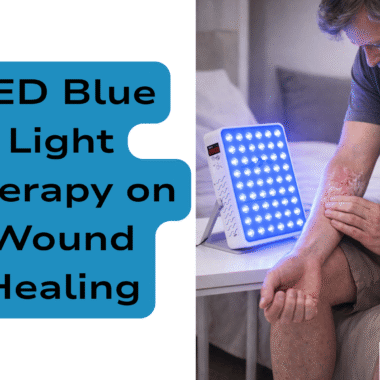
Can red light therapy speed up wound healing?
In various clinical and preclinical studies, red and near‑infrared photobiomodulation have been shown to:
- Accelerate closure of certain types of wounds
- Improve collagen organization and reduce inflammation
- Enhance microcirculation in the treated area
These effects can translate into faster or higher‑quality wound healing in some patients. However, results depend on dose, frequency, and the nature of the wound, and PBM should be seen as a supportive tool, not a stand‑alone replacement for proper wound care.
Does red light therapy help surgery scars?
Red and near‑infrared light are increasingly used in aesthetic and rehabilitative practices for:
- Softening the appearance of scars over time
- Improving scar pliability and texture
- Supporting healthy collagen remodeling
Scars that are still remodeling (often up to a year or more after surgery) may respond better than very old scars, but individual results vary. Many people use a combination of red light therapy, gentle massage, and dermatologist‑recommended topical care.
Red light therapy and surgery recovery
Does red light therapy help with surgery recovery?
By supporting circulation, mitochondrial function, and tissue repair, red and near‑infrared therapy may help with certain aspects of surgery recovery, such as pain, stiffness, and wound healing. This is why PBM is being studied in orthopedic, dental, and soft‑tissue surgical settings.
However, surgery recovery is complex. Red light therapy is best viewed as an adjunct to, not a replacement for:
- Proper surgical follow‑up
- Physical therapy or rehabilitation
- Medication and wound‑care plans set by your medical team
Is red light therapy good after surgery?
Red light therapy can be a useful adjunct after surgery when:
- The treating surgeon or specialist has approved it
- The wound is at an appropriate stage (for example, closed and free of major complications)
- A sensible dose and schedule are followed
If you have metal implants, plates, or sutures, this discussion with your surgeon is especially important.
Is red light therapy safe after surgery?
In clinical settings using appropriate doses and medical supervision, red and near‑infrared photobiomodulation have been used safely after many types of surgery. Key safety points include:
- Confirming suitability for your specific surgery and medical history
- Avoiding unapproved use over fresh sutures, drains, or unstable wounds
- Using eye protection where needed and following device instructions
When in doubt, err on the side of caution and ask your surgeon or rehabilitation team before starting.
Red Light Therapy, Titanium Implants and Near‑Infrared: Key Takeaways
- Red and near‑infrared light therapy (including 660 nm and 850 nm) have been used around titanium implants in research and clinical practice without documented implant damage at standard PBM doses.
- Most evidence comes from dental and orthopedic implants; large cranial or limb plates are less studied, so medical clearance is essential.
- The main factors are device quality, dose, timing after surgery, and your overall health status—not just the presence of titanium.
- Red light therapy and near‑infrared therapy should always be considered supportive tools, used alongside, not instead of, standard medical care.
If you or a loved one has titanium hardware and are considering red light therapy or a near‑infrared blanket or panel, the most important step is an open conversation with your healthcare team, supported by high‑quality information about your device and your goals.
Written and reviewed by LED Light Therapy Shop December 2025 – Specialists in FDA-cleared blue, red, and near-infrared LED light therapy devices.
LATEST WISDOM
The Freshest and Most Exciting News
Free access to research, guides, and wavelength-specific advice on how LED Light Therapy supports natural healing, reduces inflammation, improves cognitive performance, aids pain relief, and tackles stubborn skin conditions.