LED (Light Emitting Diode) and laser (Light Amplification by Stimulated Emission of Radiation) light therapy are both innovative treatments harnessing the power of light for therapeutic purposes. While they share similarities, understanding their distinct differences is crucial for choosing the right option for your needs.
How Do They Work?
Both LED and laser therapy use light to trigger biological processes within the body, promoting healing, reducing inflammation, and enhancing cellular function. However, the way they deliver this light energy varies:
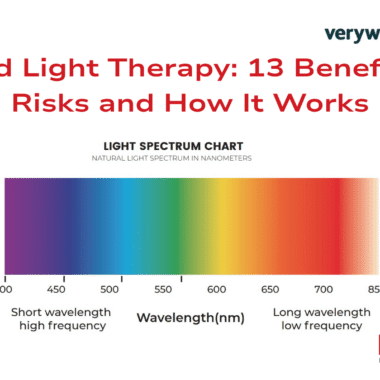
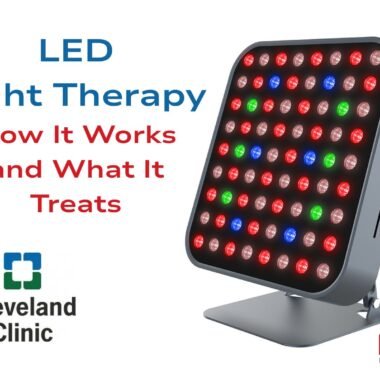
- LED: Emits a wider spectrum of light with a broader beam, making it ideal for treating larger surface areas.
- Laser: Emits a highly focused, single-wavelength beam, allowing for deeper penetration into tissues.
Key Differences and Applications
| Feature | LED Light Therapy | Laser Light Therapy |
|---|---|---|
| Light Source | Light Emitting Diode | Light Amplification by Stimulated Emission of Radiation |
| Wavelengths | Broader spectrum, multiple wavelengths | Single, specific wavelength |
| Penetration | Shallower penetration | Deeper penetration |
| Beam Spread | Wide beam | Narrow, focused beam |
| Applications | Skin rejuvenation, acne, wound healing | Deeper wrinkles, scars, pigmentation |
| Safety | Generally safe for home use | Requires professional supervision |
| Cost | More affordable | More expensive |
Choosing the Right Therapy
The choice between LED and laser therapy depends on your specific goals and needs:
- LED: If you seek to improve overall skin tone, reduce acne, or promote general healing, LED light therapy, often available for at-home use, might be a suitable choice.
- Laser: For deeper wrinkles, scars, or pigmentation issues, laser therapy, administered by a professional, can offer more targeted and intensive treatment.
Studies Support Effectiveness
- LED Light Therapy: A 2018 study in the Journal of Cosmetic and Laser Therapy found that LED light therapy significantly improved skin texture and reduced wrinkles. (https://pubmed.ncbi.nlm.nih.gov/29888956/) Another study published in Dermatologic Surgery (2010) showed LED therapy’s effectiveness in reducing acne lesions. (https://pubmed.ncbi.nlm.nih.gov/20649738/)
- Laser Light Therapy: Research in Lasers in Surgery and Medicine (2014) demonstrated laser therapy’s ability to reduce scar appearance and improve skin texture. (https://pubmed.ncbi.nlm.nih.gov/24687246/) A 2017 study in the Journal of the American Academy of Dermatology highlighted its success in treating acne scars. (https://pubmed.ncbi.nlm.nih.gov/28576997/)
Conclusion
Both LED and laser light therapy offer unique advantages in the realm of healing and aesthetics. By understanding their differences, you can make an informed decision about which therapy aligns best with your individual needs and desired outcomes.