
Table of Contents: Surgery and LED Light Therapy FAQ

Written by: Samantha Thompson 15-Minute Read
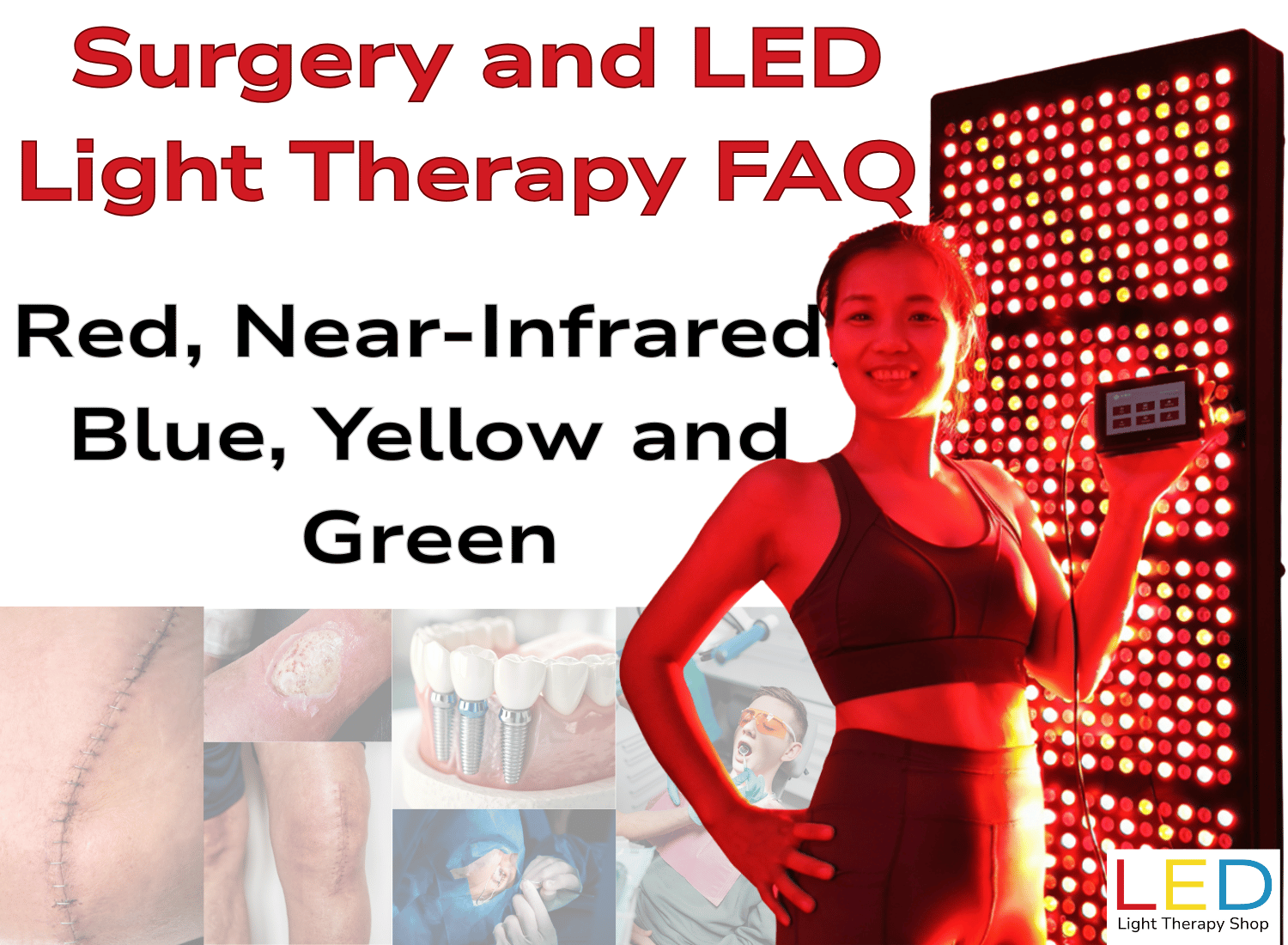
Surgery and LED Light Therapy FAQ. Surgery is a big event for the body, and it is natural to look for gentle, non-drug options to support healing, scars, pain and mobility afterwards.
LED Light Therapy using red, near‑infrared, blue, yellow and green wavelengths is increasingly used in clinics and at home, but there is still a lot of confusion about what is safe, what is evidence‑based, and how implants like titanium plates fit into the picture.
This surgery FAQ by LED Light Therapy Shop brings together common questions people ask about LED red light therapy, near‑infrared light therapy and other colours after operations—from facial and cosmetic procedures to joint replacements, ulcers, burns and head trauma.
Each answer is written in plain language, notes the typical LED wavelength ranges, and highlights where medical clearance is essential, especially if you have metal implants or complex health conditions.
What is the best wavelength of LED light therapy after surgery?
The best LED wavelength after surgery depends on the goal:
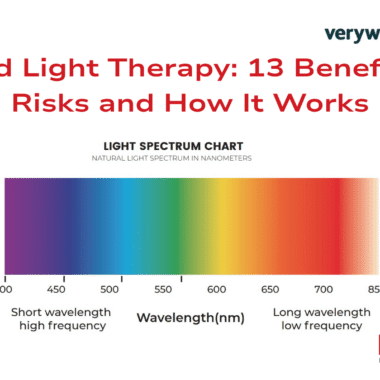
- Around 630–660 nm red for wound healing and scar quality
- Around 800–850 nm NIR for deeper tissues, pain and circulation
- Around 405–470 nm blue for surface bacteria control
- Around 580–600 nm yellow and 520–540 nm green mainly for aesthetic redness or pigmentation
For real patients, surgeons and rehabilitation teams usually prioritise red and near‑infrared LEDs, because these have the strongest evidence for post‑surgical healing and pain support.
Facial surgery scars, safety after surgery, faster wound healing
Does red light therapy help with surgery scars on the face?
Yes, red LED light therapy around 630-660nm has been shown in clinical trials to be safe when started in the early post‑surgery period on facial skin, and to improve scar pliability and cosmetic appearance over time compared with untreated skin.
This makes red light therapy a promising non‑invasive option to support facelift, eyelid or facial surgery scars as part of a broader scar‑care plan.
Light emitting diode‑red light for reduction of post‑surgical scar erythema: a randomized controlled trial
Is LED red light therapy safe after surgery?
In controlled studies, LED red light therapy in the 630-660nm range and near infrared light therapy 830nm has been used within days to weeks after surgery without serious adverse effects when used at appropriate doses and under medical supervision.
Patients commonly report only warmth and temporary redness, which usually settle within hours.
Phototherapy with Light Emitting Diodes
Can red light therapy speed up wound healing after surgery?
LED red light therapy around 630–660nm has been reported to accelerate wound healing after procedures such as laser resurfacing and eyelid surgery, with treated areas sometimes healing in roughly half the time of untreated skin in split‑face designs.
The red light appears to support faster re‑epithelialisation, reduced swelling and improved early tissue quality.
Red light-emitting diode on skin healing: an in vitro and in vivo experimental study
Does LED green light therapy help surgery scars?
Green LED light therapy (commonly 520-540nm) is more often explored for pigmentation and migraine than for surgical scars.
A few experimental protocols combine green with red light for aesthetic skin treatments, but red (630-660nm) remains the primary LED wavelength studied for scar quality.
Head / brain surgery, traumatic brain injury, NIR
Is red light therapy safe after brain or head surgery?
Red and near‑infrared LED therapy (commonly 630–660nm and 800–850nm) has been investigated in head and brain conditions, but after brain or skull surgery any light therapy over the operative site must be cleared by the neurosurgeon.
In research settings, low‑level NIR has been applied through the scalp as part of brain PBM protocols, but doses and timing are carefully controlled by the medical team.
Photobiomodulation Therapy on Brain: Pioneering an Innovative Approach to Neurorehabilitation
Can near‑infrared LED therapy help after brain trauma?
Near‑infrared LED therapy around 800–850nm has been studied in traumatic brain injury protocols to support blood flow and mitochondrial function in the brain.
Early trials describe it as generally well tolerated, but it is still considered experimental for head trauma and should only be used under specialist supervision.
Photobiomodulation—Underlying Mechanism and Clinical Applications
Titanium plates, joint replacements, spinal hardware
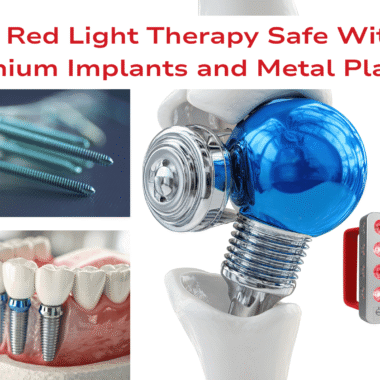
Is red and near‑infrared LED light therapy safe with titanium plates in the skull?
Studies on titanium implants (mostly dental and orthopedic) using red (around 660nm) and near‑infrared (around 800-900nm) light show improved bone healing and no implant damage at therapeutic doses.
Titanium plates in the skull are less studied directly, so any red/NIR LED use over cranial plates should be individually approved by the neurosurgeon or maxillofacial surgeon.
Improving Titanium Implant Stability with Photobiomodulation: A Review and Meta‑Analysis of Irradiation Parameters
Is it safe to use LED red light therapy over joint replacement surgery?
Titanium and metal joint implants have similar optical properties to titanium dental screws, which do not strongly absorb red or NIR light.
Clinical PBM protocols using 630-660nm red and 800-900nm NIR are often used around knees, hips and shoulders, but any use directly over a joint replacement should be cleared with the orthopedic surgeon.
Effect of LED photobiomodulation on dental implant osseointegration
Can red light therapy be used after spinal surgery?
After spinal surgery with rods, screws or cages, some rehabilitation programmes incorporate red/NIR PBM for pain and soft‑tissue healing around the spine.
Given the proximity to nerves and major structures, any 630-660nm red or 800-850nm NIR LED use over the spine must be explicitly cleared by the spine surgeon.
Laser‑photobiomodulation on titanium implant bone healing in rat model: comparison between 660 and 808nm
Blue light, infection control, burns / infected wounds
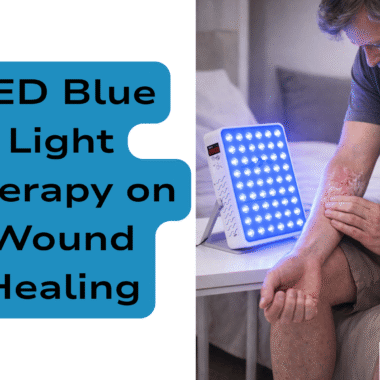
Can LED blue light therapy be used on surgical wounds?
Blue LED light therapy (around 405-470nm) has mainly been studied for its antimicrobial and acne effects, and small studies in wound care use it to reduce bacterial load on chronic wounds.
On fresh surgical incisions, blue light should only be used if the surgeon agrees, as it is more superficial and can be more irritating to delicate new tissue than red or NIR.
Phototherapy with Light Emitting Diodes
Does blue and red LED light therapy help burns?
Combination blue (around 415-470nm) and red (around 630-660nm) LED protocols have been explored in burn and wound care to reduce infection risk and to promote re‑epithelialisation.
Red light therapy tends to support healing and comfort, while blue can help manage surface microbial load; both must be dosed conservatively on fragile burn tissue.
PDF: Photobiomodulation with LumiHeal™
Does blue LED light therapy help infected post‑surgical wounds?
Blue LED light at 405-470nm has documented antibacterial effects and has been used to reduce colonisation in chronic and infected wounds.
On post‑surgical wounds, blue light should only be used when a wound‑care specialist or surgeon chooses it as part of an infection control strategy, and it is usually paired with red/NIR for healing.
PDFWounds International: Blue Light Photobiomodulation: A Therapy to Reactivate the Healing Process in Chronic Wounds
Circulation after surgery / vascular surgery
Is near‑infrared LED therapy good for circulation after surgery?
Near‑infrared LED therapy around 800-850nm has been associated with improved microcirculation and tissue oxygenation in some vascular and wound‑healing studies.
After surgery, NIR LED may help local circulation and comfort, but it should be integrated into a doctor‑approved plan, especially if there is any risk of deep vein thrombosis or vascular compromise.
ClinicalTrials.gov protocol: Effect of Photobiomodulation on Healing of Venous Leg Ulcers: A Double‑Blind Randomized Study
Can LED light therapy improve circulation in the feet after vascular surgery?
Near‑infrared LED light therapy around 800-850nm has been investigated for peripheral artery disease and microcirculation in the lower limbs.
Some studies report improved tissue perfusion and walking distance, but after vascular surgery any light therapy must be coordinated with the vascular surgeon to avoid interfering with grafts or stents.
Systemic photobiomodulation: an integrative review of evidence for cardiovascular, respiratory, metabolic and neurological applications
Diabetic foot ulcers, leg ulcers, circulation in feet
Can LED red light therapy help diabetic foot ulcers and leg ulcers?
LED red light therapy (around 630-660nm) and sometimes NIR (around 800-850nm) has been studied for chronic leg and diabetic foot ulcers, with some trials showing reduced ulcer size and faster healing when combined with standard wound care.
These protocols typically use repeated sessions per week over several weeks and are run in a clinical setting.
Effect of Photobiomodulation on Healing of Venous Leg Ulcers: A Double‑Blind Randomized Study
Photobiomodulation—Underlying Mechanism and Clinical Applications
Can LED red light therapy help pressure ulcers in people after surgery?
In people who develop pressure ulcers after prolonged hospital stays, red LED light therapy around 630-660nm has been tested as an adjunct to standard pressure relief and wound care.
Some trials show reductions in wound area and improved granulation tissue over weeks of treatment.
Photobiomodulation therapy
Can LED light therapy improve circulation in the feet after vascular surgery?
Near‑infrared LED light therapy around 800-850nm has been investigated for peripheral artery disease and microcirculation in the lower limbs.
Some studies report improved tissue perfusion and walking distance, but after vascular surgery any light therapy must be coordinated with the vascular surgeon to avoid interfering with grafts or stents.
Systemic photobiomodulation: an integrative review of evidence for cardiovascular, respiratory, metabolic and neurological applications
Post‑surgical and neuropathic pain, knee surgery recovery
Does red light therapy help with post‑surgical pain?
Red and near‑infrared LED light therapy (around 630-660nm and 800-850nm) are commonly used in pain clinics as part of photobiomodulation (PBM) protocols for musculoskeletal and post‑surgical pain.
Clinical work has reported reductions in pain scores and improved function when PBM is combined with standard rehabilitation.
PBM in pain and musculoskeletal conditions
Can LED red light therapy help knee surgery recovery?
After knee arthroscopy or ligament repair, clinics sometimes use red and near‑infrared LED therapy to support pain relief and soft‑tissue healing.
Wavelengths around 630-660nm and 800-850nm are typical, with sessions several times per week; protocols should be directed by the treating surgeon or physiotherapist.
PBM in pain and musculoskeletal conditions
Can LED red light therapy help chronic post‑surgical nerve pain?
Red and near‑infrared LED therapy around 630-660nm and 800-850nm is often used in neuropathic pain protocols to modulate nerve function and inflammation.
Some small clinical studies report reduced neuropathic pain scores, but chronic post‑surgical nerve pain is complex and should be managed with a multidisciplinary plan.
PBM in pain and musculoskeletal conditions
Yellow / amber, green LEDs (aesthetic and calming use)
Is yellow LED light therapy useful after cosmetic surgery?
Yellow or amber LED light therapy around 580-600nm is marketed for calming redness and supporting superficial skin healing.
Evidence is less extensive than for red and NIR, but some aesthetic clinics use yellow LEDs post‑procedure to reduce erythema and support comfort as a gentle adjunct.
Phototherapy with Light Emitting Diodes
Abdominal surgery, C‑section, breast surgery scars
Can LED light therapy be used after C‑section surgery?
Red LED light therapy (around 630-660nm) has been studied in abdominal and general surgical wounds for improved healing and reduced pain, but C‑section scars have unique considerations (uterus, abdominal wall, breastfeeding).
Any red or NIR LED use over a C‑section scar should be approved by the obstetrician.
Light emitting diode‑red light for reduction of post‑surgical scar erythema: a randomized controlled trial
Does LED red light therapy help breast surgery scars?
After breast surgery (augmentation, reduction, reconstruction, mastectomy), red LED light therapy around 630-660nm may help with scar pliability and cosmetic outcome in a similar way to facial scars.
However, because breast tissue can be hormonally active and complex, plastic surgeons should guide whether, when, and where light is used.
Phototherapy with Light Emitting Diodes
Skin Grafts
Is LED light therapy safe after skin graft surgery?
Skin grafts are fragile and have specific vascular needs, so red or NIR LED light therapy must be used carefully.
Some studies suggest that 630-660nm red light can support graft take and healing, but decisions on timing and dose must be taken by the surgical and wound‑care team.
Same underlying PBM mechanism & clinical review
ClinicalTrials.gov protocol: Effect of Photobiomodulation on Healing of Venous Leg Ulcers: A Double‑Blind Randomized Study
Heart / Cardiac Surgery
Is red light therapy safe after heart surgery?
After heart or bypass surgery, the chest area involves sternum, ribs, and sometimes metal wires or plates.
Red and NIR LED therapy may theoretically help wound healing and pain, but given the critical organs beneath, post‑cardiac surgery PBM should only be done under the guidance of the cardiac surgeon.
BM in pain and musculoskeletal conditions
Radiation burns / mucositis in cancer therapy
Does LED light therapy help surgical burns from radiation or cancer treatment?
Red and NIR LED therapy is being studied for radiation‑induced skin damage and oral mucositis, with some trials showing reduced severity and faster resolution of lesions using wavelengths around 630-660nm and 800-850nm.
These indications are usually managed by oncology teams familiar with PBM.
PBM and oral complications in oncology
Can LED light therapy be used over surgical staples or sutures?
Red and near‑infrared LED light therapy has been applied over closed sutured wounds in clinical trials, usually starting several days after surgery once the wound is stable.
Most protocols avoid applying strong light over actively bleeding or open wounds; timing and intensity should be confirmed with the operating surgeon.
Light emitting diode-red light for reduction of post-surgical scarring
Does LED green light therapy help surgery scars?
Green LED light therapy (commonly 520-540nm) is more often explored for pigmentation and migraine than for surgical scars.
A few experimental protocols combine green with red light for aesthetic skin treatments, but red (630-660nm) remains the primary LED wavelength studied for scar quality.
Visible light for pigment and melasma
Can I use LED light therapy directly on stitches or Steri‑Strips?
Most LED studies on surgical wounds apply light over closed incisions with sutures or adhesive strips in place, using red wavelengths around 630-660nm several times per week.
As long as the surgeon confirms that the wound is clean, closed, and stable, gentle LED exposure is generally considered acceptable in research protocols.
Is red light therapy safe for children after surgery?
Red and NIR LED therapy has been used in some pediatric settings (for example, in mouth ulcers or skin conditions), but safety and dosing for children after surgery require extra caution.
Pediatric surgeons or pediatricians should make the final decision about any 630-660nm or 800-850nm LED use on a child.
PBM in oral complications of cancer therapy
Includes pediatric examples (e.g., oral lesions, some skin conditions)
Can LED light therapy replace dressings or compression after surgery?
No. LED light therapy, whether red, NIR, blue, yellow, or green, is an adjunct and does not replace essential post‑surgical care such as sterile dressings, compression garments, anticoagulation, physiotherapy, or prescribed medications.
Light therapy should be layered on top of, not instead of, the standard surgical plan.
Your Light Therapy Journey Starts Here
Discover our full range of certified LED light therapy devices — designed to help you recover faster, boost wellness, and support your goals safely and effectively.
Whether you’re new to light therapy or upgrading your current setup, we’ll help you find the perfect solution for your needs.
Join the Movement
Embrace the Power of LED Light Therapy
Join our LED Light Therapy and wellness community.
Enjoy exclusive offers, updates, and insights — improving your health naturally. (No spam! 1–3 emails per quarter.)
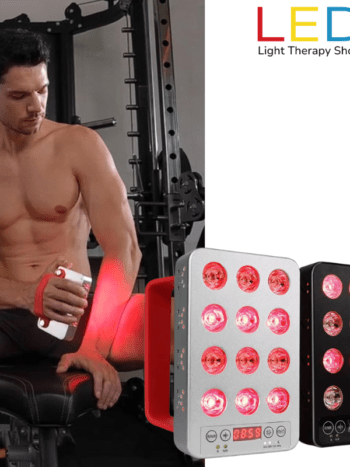
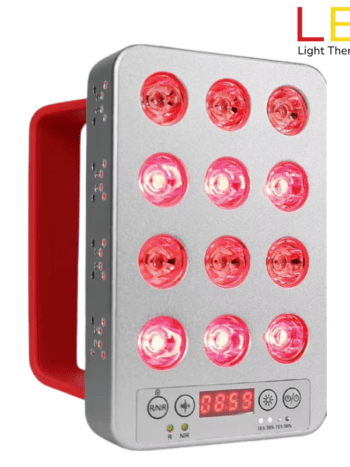
Trending LED Light Therapy Favourites
LED Light Therapy Shop’s most trusted LED devices chosen by clinics, home users, and professionals — clinically reliable, user-friendly, and trusted to support health, recovery, and wellbeing.
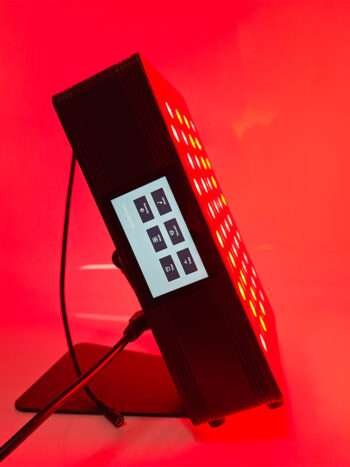
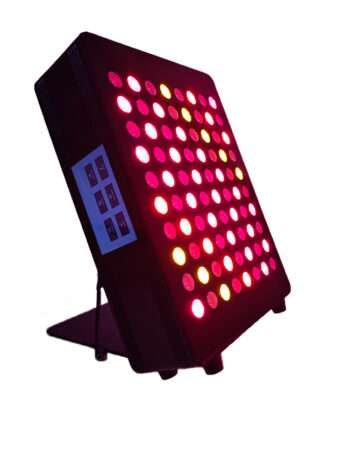
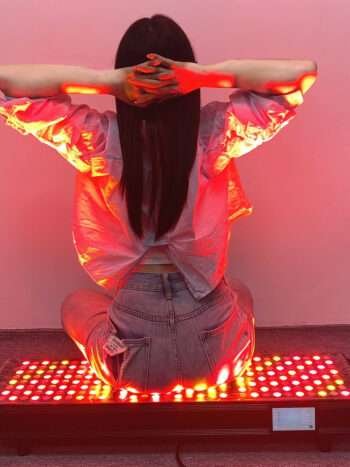
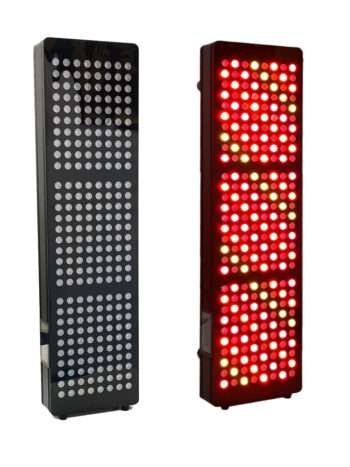
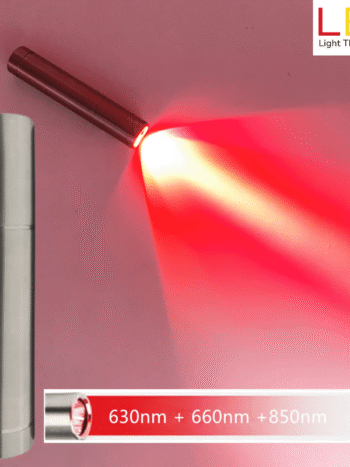
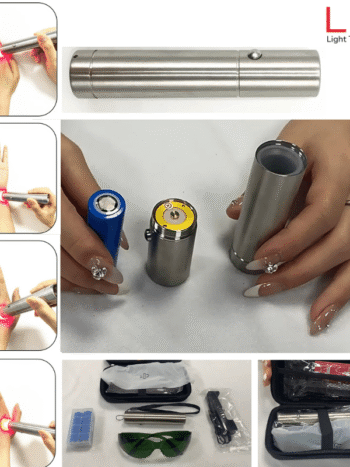
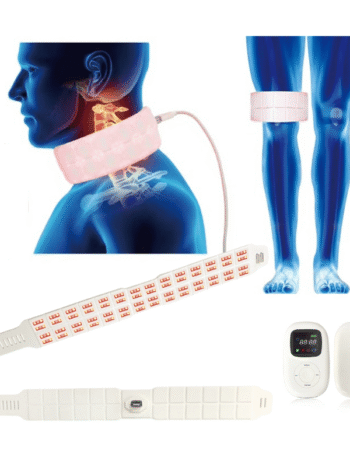
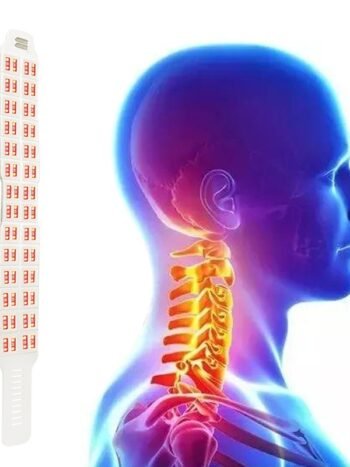



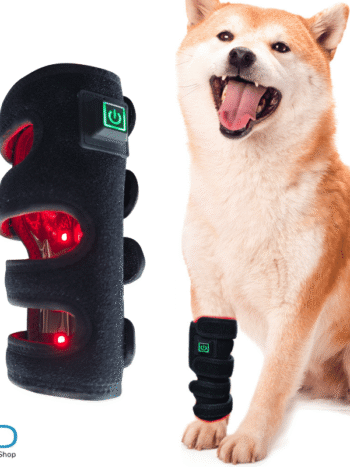
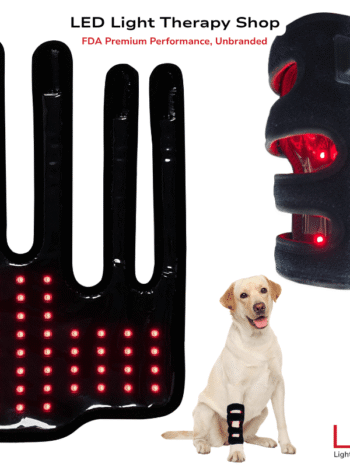
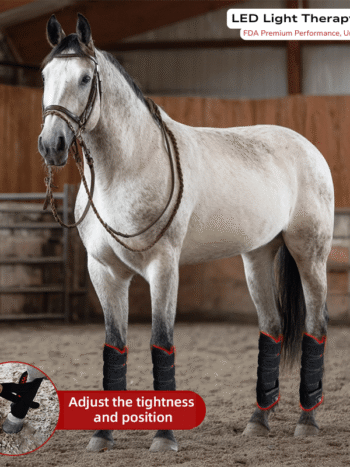


Written and reviewed by LED Light Therapy Shop December 2025 – Specialists in FDA-cleared blue, red, and near-infrared LED light therapy devices.
LATEST WISDOM
The Freshest and Most Exciting News
Free access to research, guides, and wavelength-specific advice on how LED Light Therapy supports natural healing, reduces inflammation, improves cognitive performance, aids pain relief, and tackles stubborn skin conditions.






%20|%20Rechargeable%20Battery&url=https://ledlighttherapyshop.com/product/spectrometer-test-blue-red-near-infrared-led-light-therapy-380-780nm-rechargeable-battery/&media=https://ledlighttherapyshop.com/wp-content/uploads/2025/09/Portable-Spectrometer-LED-Light-Therapy-380-780nm-4-595x595.png)


&url=https://ledlighttherapyshop.com/product/led-face-neck-mask-red-630-blue-460-yellow-590-nir-850/&media=https://ledlighttherapyshop.com/wp-content/uploads/2025/07/LED-Face-Neck-decolletage-510k-Mask-Red-630nm-Blue-460nm-Yellow-590nm-NIR-2-595x595.png)


%20|%20Red%20630nm,%20660nm,%20and%20Near%20Infrared%20850nm&url=https://ledlighttherapyshop.com/product/animal-red-light-therapy-torch-dogs-cats-horses/&media=https://ledlighttherapyshop.com/wp-content/uploads/2025/11/rechargeable-red-light-therapy-torch-4-595x595.png)


