

Written by: Samantha Thompson
Medical disclaimer
This article is for general education only and is not medical advice, diagnosis, or treatment. Always speak with your own doctor or surgeon before using red or near‑infrared light over any implant or recent surgery.
Can You Use Red Light Therapy With Titanium Implants?
Summary: Red light therapy and near‑infrared therapy (including 660/850 nm LEDs) have been used around titanium implants in research and clinical practice without documented implant damage at standard PBM doses, and often with improved healing outcomes. However, surgery type, implant location, and your health status matter. Your surgeon or treating physician should always have the final say on if, where, and when you use red or near‑infrared light.
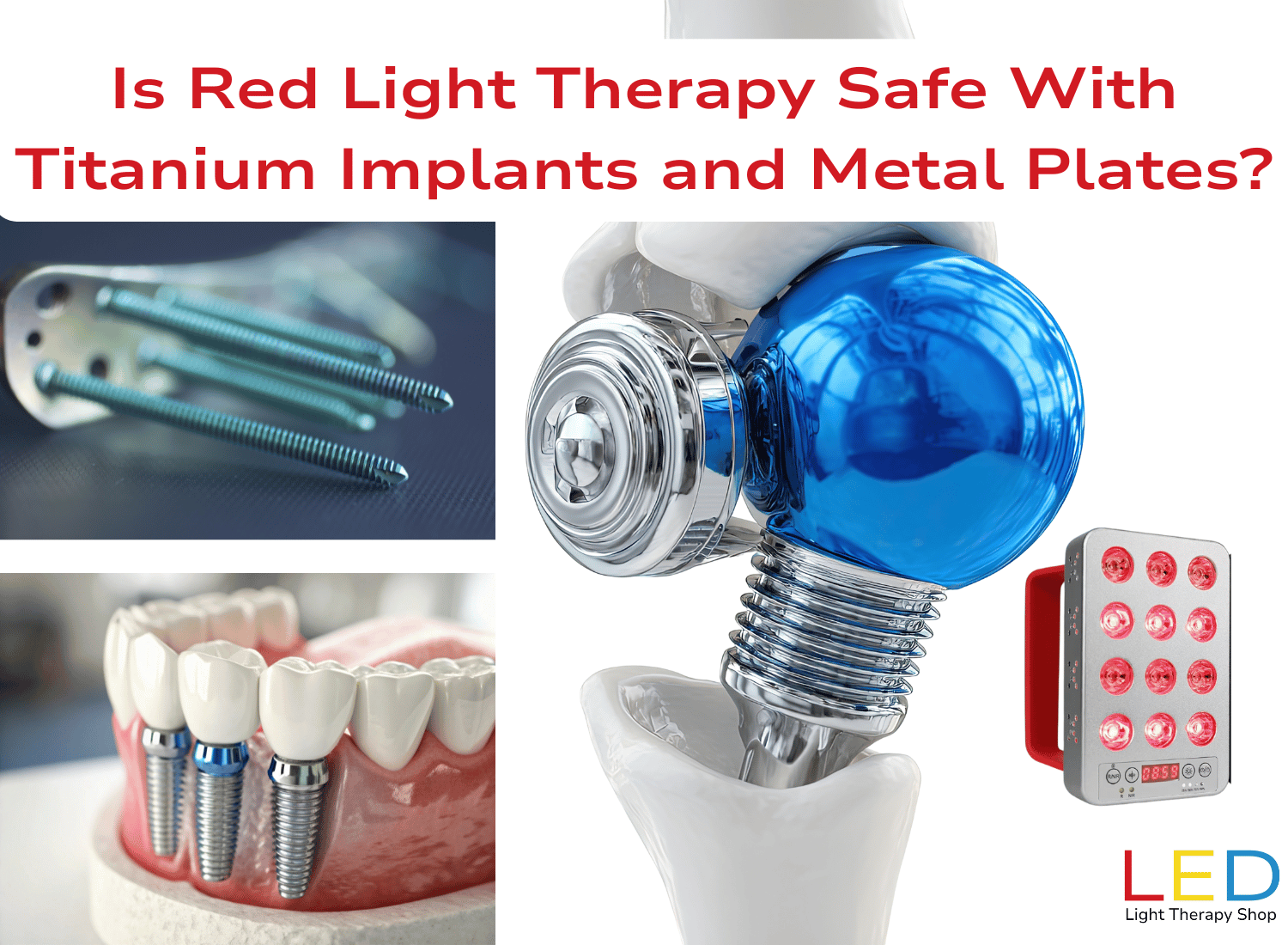
Is Red Light Therapy Safe With Titanium Implants?
Current research suggests that low‑level red and near‑infrared photobiomodulation (PBM) can be used around titanium implants, without damaging the implant.
In animal and dental‑implant studies using Red Light around 660nm and Near-Infrared around 800–900nm+, researchers report improved bone healing and implant stability, and no implant‑related complications at therapeutic doses. 🔗Dental Implant 🔗Bone Healing 🔗Implant Stability
Most Light Therapy studies are on titanium dental and orthopedic screws or fixtures (jaw, long bones), not huge plates.
However, the safety pattern is reassuring: the light mainly interacts with surrounding tissue and bone, and titanium does not significantly heat under typical low‑level light therapy parameters. 🔗Titanium Implant Stability
What Studies Support Red and Near‑Infrared Light Around Titanium?
If you want to give your medical team something concrete around red or near infrared light therapy in use with implants, as concerned your health professional may not be aware, the following clinical red light therapy publications are useful starting points:
- Rat dental‑implant study (660 & 808 nm):
Photobiomodulation around titanium implants improved bone repair with no harmful findings at the implant interface.
Abstract: https://pubmed.ncbi.nlm.nih.gov/35028766/
- LED PBM and dental implants (LED device):
LED‑PBM improved and accelerated osseointegration of titanium implants compared with controls.
Overview: https://joddd.tbzmed.ac.ir/FullHtml/joddd-36954
- Systematic review & meta‑analysis (15 PBM studies, 618–1064 nm):
Concluded PBM can be prescribed after titanium implant placement and is considered safe at implant sites, with several protocols improving implant stability.
Open access full text: https://pmc.ncbi.nlm.nih.gov/articles/PMC10024586/
Journal summary: https://www.liebertpub.com/doi/10.1089/photob.2022.0161
These papers support the idea that well‑designed red/NIR PBM around titanium is compatible with healing and stability, rather than harmful, when used correctly.
Can You Use Near‑Infrared With Metal Implants?
Near‑infrared light therapy (for example, around 850nm) is widely used in PBM protocols that include titanium and other metal implants. In these settings, NIR did not cause overheating or implant failure; instead, it often supported bone integration and recovery.
However, “metal implants” covers everything from small titanium screws to large plates and different alloys. That is why the safest approach is always:
- Share your device specs and goals with your surgeon or specialist.
- Ask directly: “Is near‑infrared light therapy safe over this specific implant for me, right now?”
How Should You Talk To Your Doctor?
Doctors and surgeons often appreciate concise, evidence‑based information. You can:
- Bring your device details (LED, laser, wavelengths, typical session times).
- Share one or two key articles, for example the open‑access meta‑analysis above.
- Explain your goals (for example, scar quality, pain, stiffness, general recovery).
Some clinicians may not recommend red light therapy simply because it is not yet part of standard guidelines in their specialty, or they are not familiar with newer PBM evidence. That does not automatically mean it is unsafe, but their judgement and knowledge of your case should be the final word.
Quick Q&A: Red Light Therapy, Surgery and Implants
Is Red Light Therapy Safe And Good After Surgery For Recovery?
In supervised clinical settings and with appropriate dosing, red and NIR PBM are generally considered safe as an adjunct after many surgeries and may support recovery. Safety after surgery depends on medical clearance, correct dosing, and avoiding contraindicated areas, not just the light itself.
Can you use Near Infrared with Metal Implants?
Yes, near‑infrared PBM has been used around titanium implants in dental and orthopedic research without documented implant damage at typical doses. Because implant types vary, always check with your surgeon before treating directly over any metal implants.
Can you use Red Light Therapy with Titanium Implants?
Studies in dental and orthopedic settings suggest that low‑level red light therapy can be used around titanium implants and may support bone healing and implant stability. For home use, keep doses sensible and only proceed after your surgeon or specialist approves it. PBM Titanium and Bone Healing
Why don’t Doctors Recommend Red Light Therapy More Often?
Many doctors were not trained in photobiomodulation (PBM) and may view it as “emerging” rather than standard of care. Evidence quality varies between conditions, and not all clinics have PBM devices, so some clinicians prefer to stick strictly to guideline‑listed treatments.
Where Should You Not Use Red Light Therapy?
Avoid using red or NIR light therapy:
- Directly over known or suspected cancer, unless guided by an oncologist.
- Over the uterus in pregnancy without explicit medical clearance.
- Directly into the eyes or over serious eye disease without professional guidance.
- Over unstable, actively bleeding, or severely infected wounds unless a clinician familiar with PBM is supervising.
Always ask your doctor if you have implants, pacemakers, neurostimulators, or recent surgery.
Can Red Light Therapy Go Through A Cast?
Most rigid plaster or thick fiberglass casts block or greatly reduce red/NIR penetration, so the effective dose at the bone under a cast will be low. PBM studies on fractures usually apply light directly to skin, not through a full cast. Ask your orthopedic surgeon whether light can be used around cast edges or later in rehab. 🔗Dental Implants
Does Red Light Therapy Help with Surgery and Surgery Scars?
There is growing evidence that red and near‑infrared PBM can support post‑surgical wound healing, reduce inflammation, and improve scar quality in some settings. Many clinics use PBM as an adjunct for:
- Post‑operative pain and swelling
- Scar remodeling and tissue quality
- General surgery recovery alongside standard care
Results depend on dose, device, timing, and the type of surgery, so protocols should be tailored by a professional.
How Long After Surgery Can I Use Red Light Therapy?
Timing depends on:
- Type of surgery (orthopedic, cosmetic, abdominal, etc.)
- Presence and location of implants
- How you are healing
In some clinical protocols, PBM starts within days; others wait until the wound is closed. Always ask your surgeon, “When, where, and how can I safely use red or near‑infrared light after this specific operation?” 🔗Titanium Implant Stability
Free LED Light Therapy Tools
Not sure which LED Light Therapy device or treatment settings are right for you? Get precise treatment recommendations with LED light Therapy Shops interactive calculators and expert guides.
FREE access to LED Light Therapy Shops expert tools to calculate treatment dose, energy, and time, or contact our customer service team.
Treatment Dose Calculator
Enter your Light Therapy device’s irradiance and recommended session time to find your total treatment/dose energy.
Find Your Ideal Treatment Energy
Unsure how much light therapy is needed for pain, skin, or cognition?
Read our expert photobiomodulation (PBM) guide to learn which treatment energy/Dose supports different conditions
Treatment Time Calculator
Enter your Light Therapy device’s irradiance and desired dose (fluence) to calculate your ideal treatment time.
Your Light Therapy Journey Starts Here
Discover our full range of certified LED light therapy devices — designed to help you recover faster, boost wellness, and support your goals safely and effectively.
Whether you’re new to light therapy or upgrading your current setup, we’ll help you find the perfect solution for your needs.
Join the Movement
Embrace the Power of LED Light Therapy
Join our LED Light Therapy and wellness community.
Enjoy exclusive offers, updates, and insights — improving your health naturally. (No spam! 1–3 emails per quarter.)
Trending LED Light Therapy Favourites
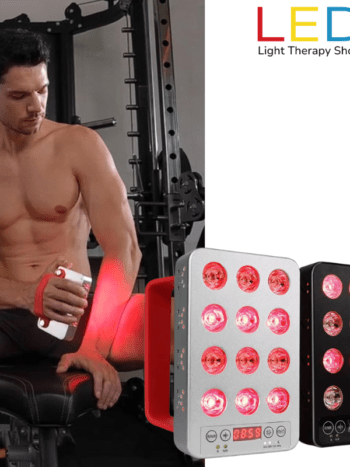
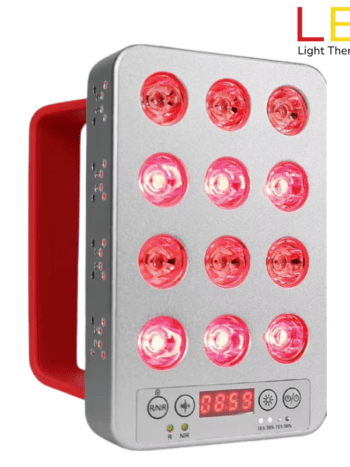
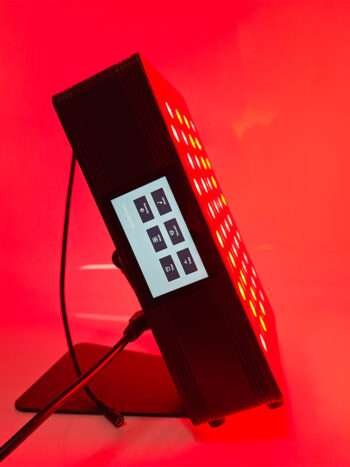
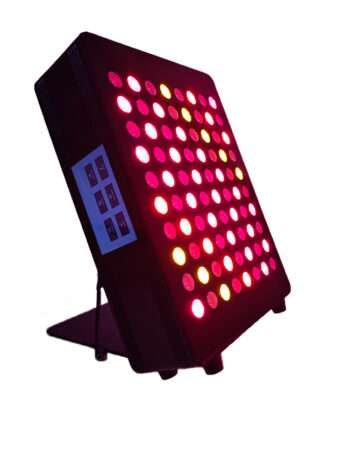
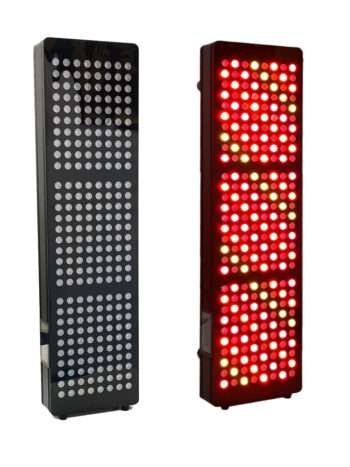
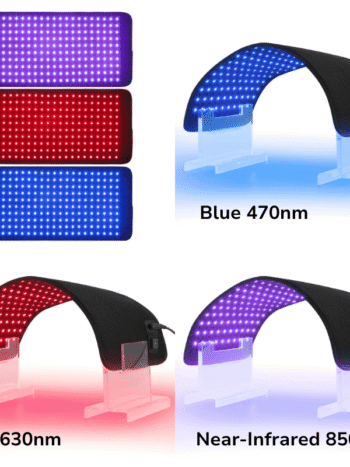
LED Light Therapy Shop’s most trusted LED devices chosen by clinics, home users, and professionals — clinically reliable, user-friendly, and trusted to support health, recovery, and wellbeing.






Certified Safe,
Clinically Backed.
Our devices meet international standards for safety, quality, and performance.





Understand the certifications and safety standards that ensure LED light therapy devices are both effective and compliant.
Whether you’re comparing devices or checking your own, LED Light Therapy Shop’s Product Certification page outlines the most recognised global marks — so you know what to look for before you buy, or use any product: LED Light Therapy Product Certification Page
Written and reviewed by LED Light Therapy Shop December 2025 – Specialists in FDA-cleared blue, red, and near-infrared LED light therapy devices.
LATEST WISDOM
The Freshest and Most Exciting News
Free access to research, guides, and wavelength-specific advice on how LED Light Therapy supports natural healing, reduces inflammation, improves cognitive performance, aids pain relief, and tackles stubborn skin conditions.






%20|%20Rechargeable%20Battery&url=https://ledlighttherapyshop.com/product/spectrometer-test-blue-red-near-infrared-led-light-therapy-380-780nm-rechargeable-battery/&media=https://ledlighttherapyshop.com/wp-content/uploads/2025/09/Portable-Spectrometer-LED-Light-Therapy-380-780nm-4-595x595.png)


&url=https://ledlighttherapyshop.com/product/led-face-neck-mask-red-630-blue-460-yellow-590-nir-850/&media=https://ledlighttherapyshop.com/wp-content/uploads/2025/07/LED-Face-Neck-decolletage-510k-Mask-Red-630nm-Blue-460nm-Yellow-590nm-NIR-2-595x595.png)


%20|%20Red%20630nm,%20660nm,%20and%20Near%20Infrared%20850nm&url=https://ledlighttherapyshop.com/product/animal-red-light-therapy-torch-dogs-cats-horses/&media=https://ledlighttherapyshop.com/wp-content/uploads/2025/11/rechargeable-red-light-therapy-torch-4-595x595.png)


